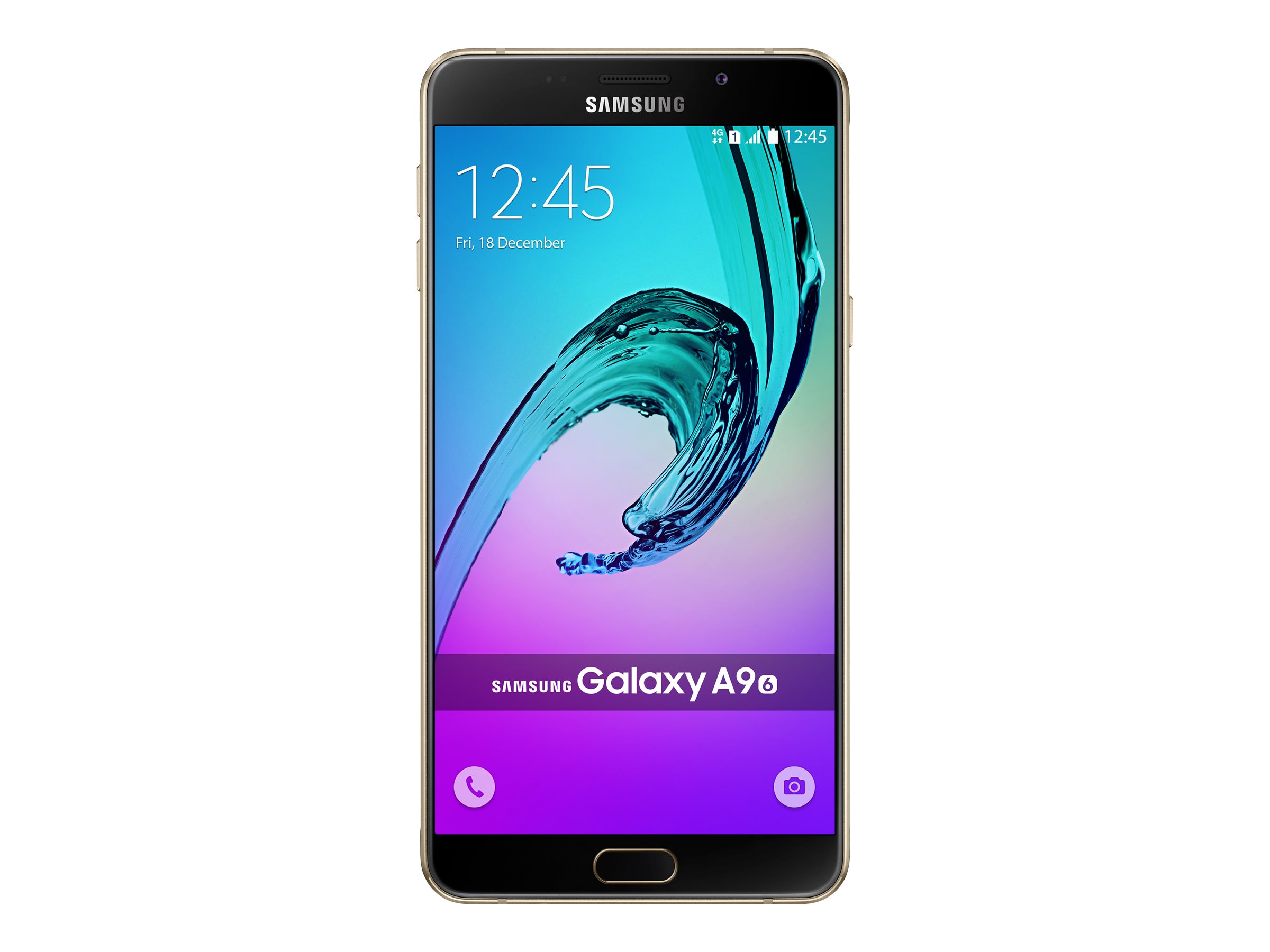
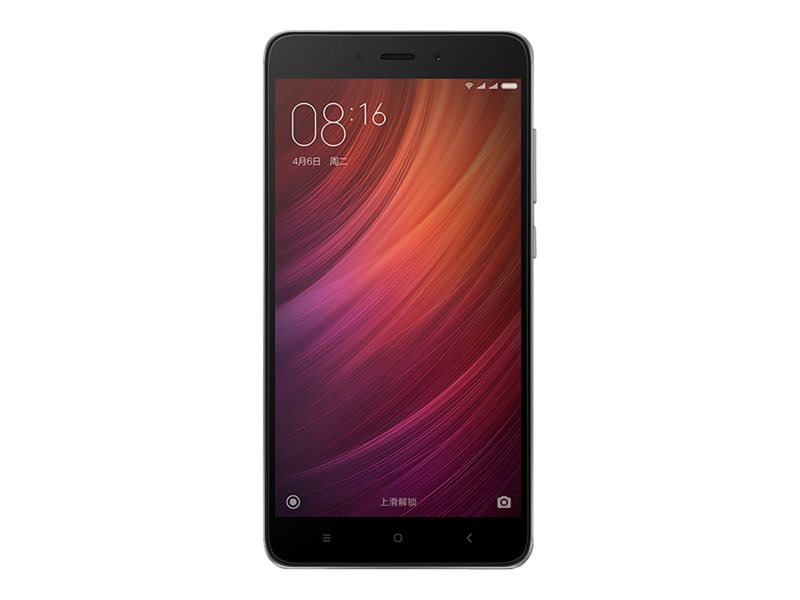
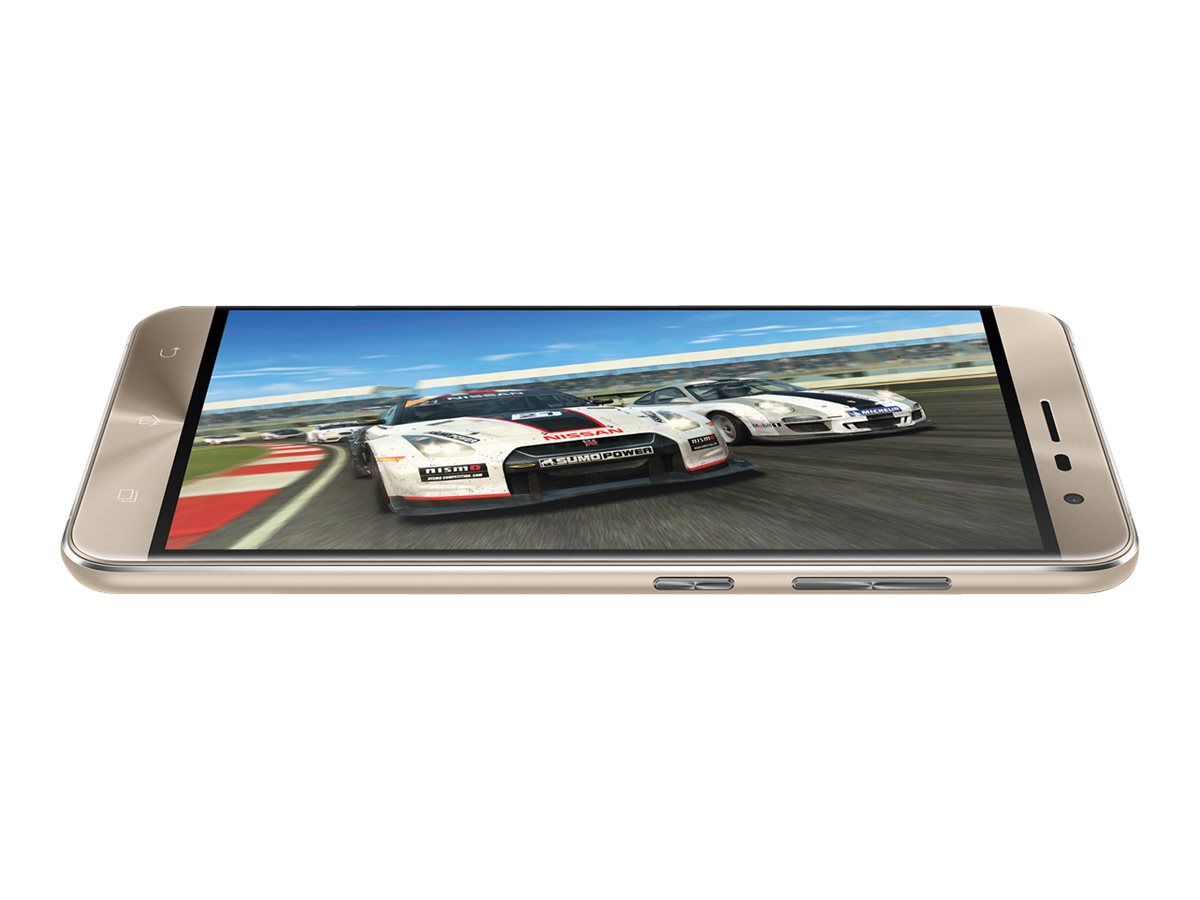
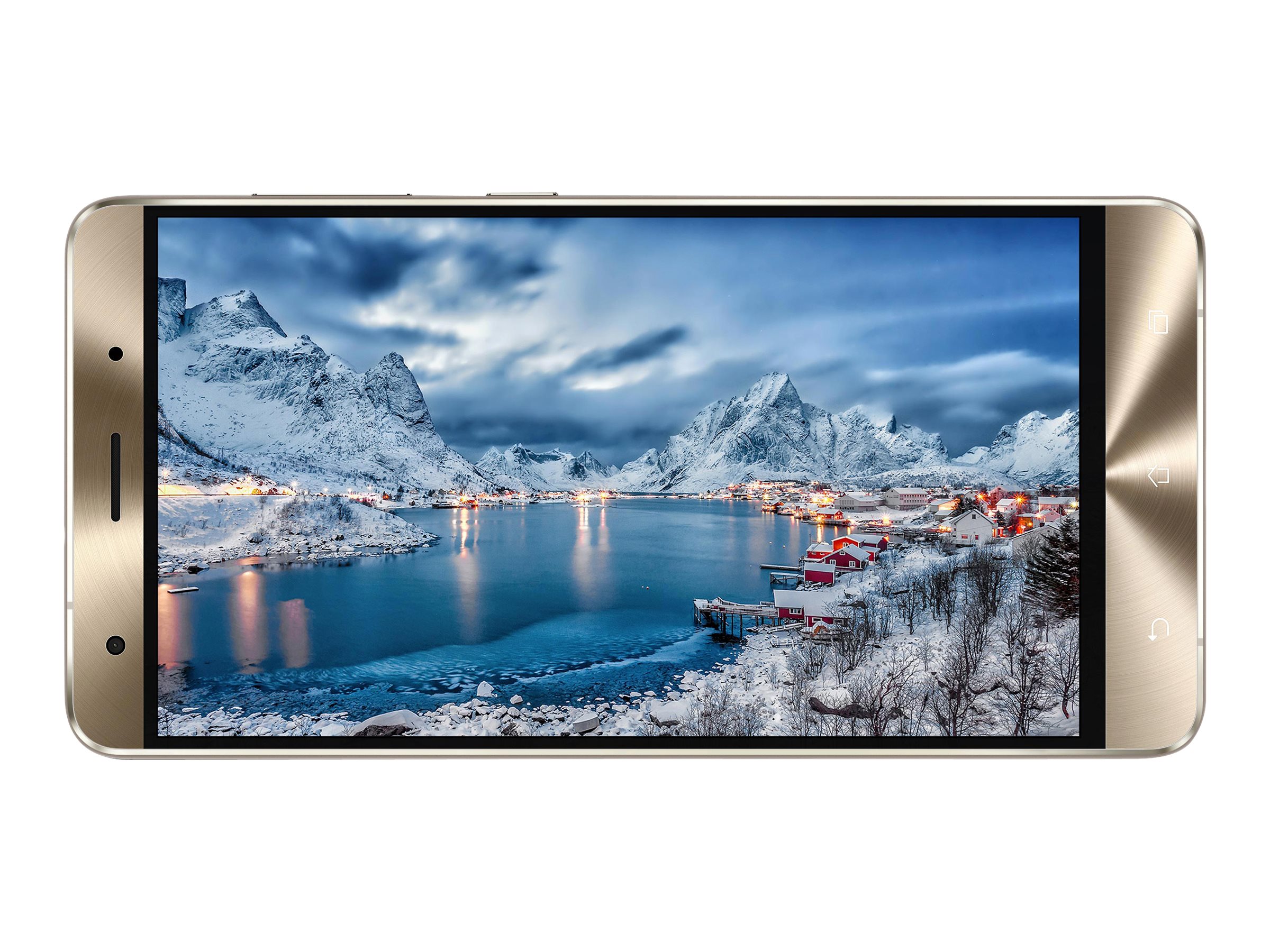
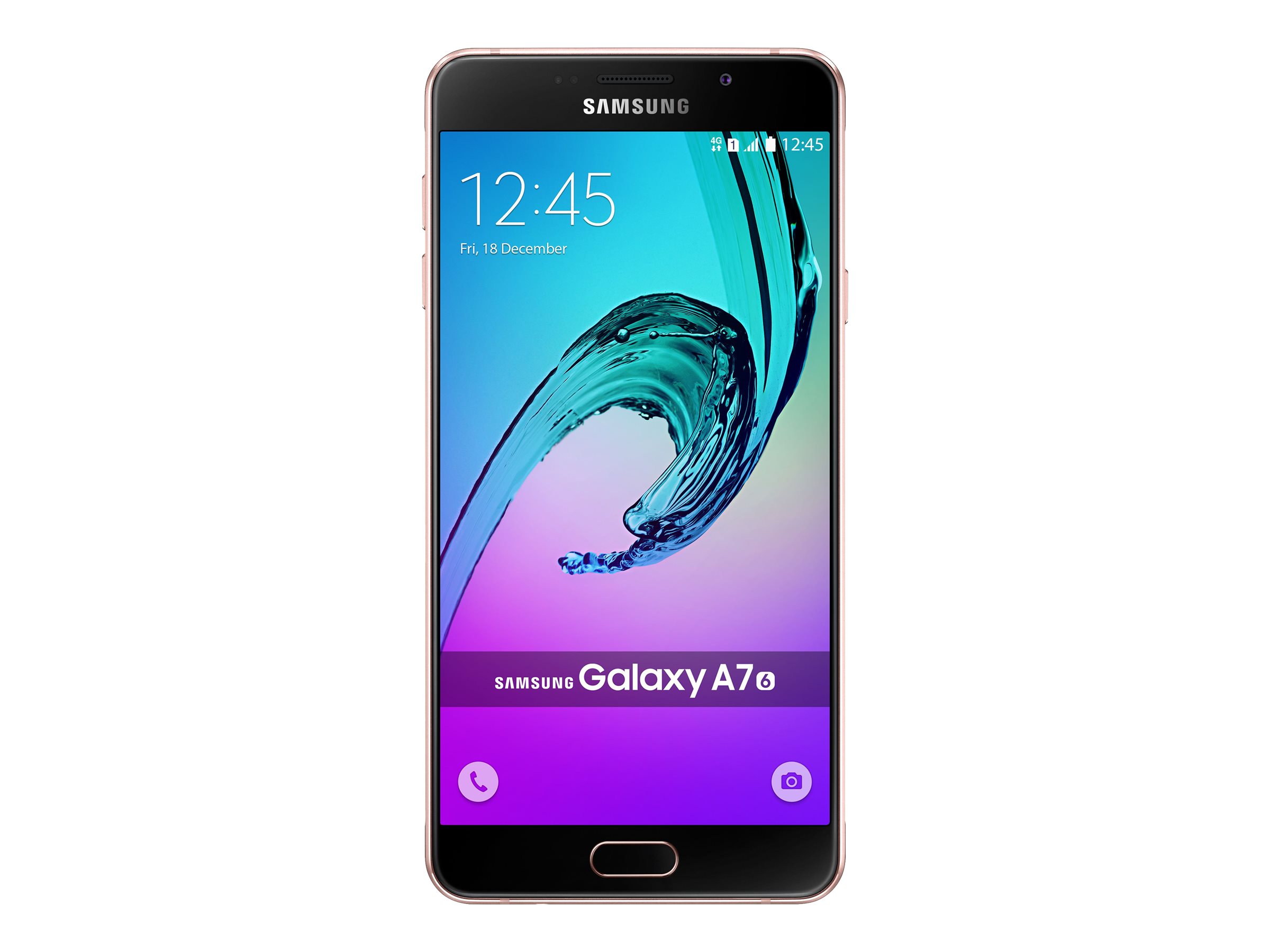
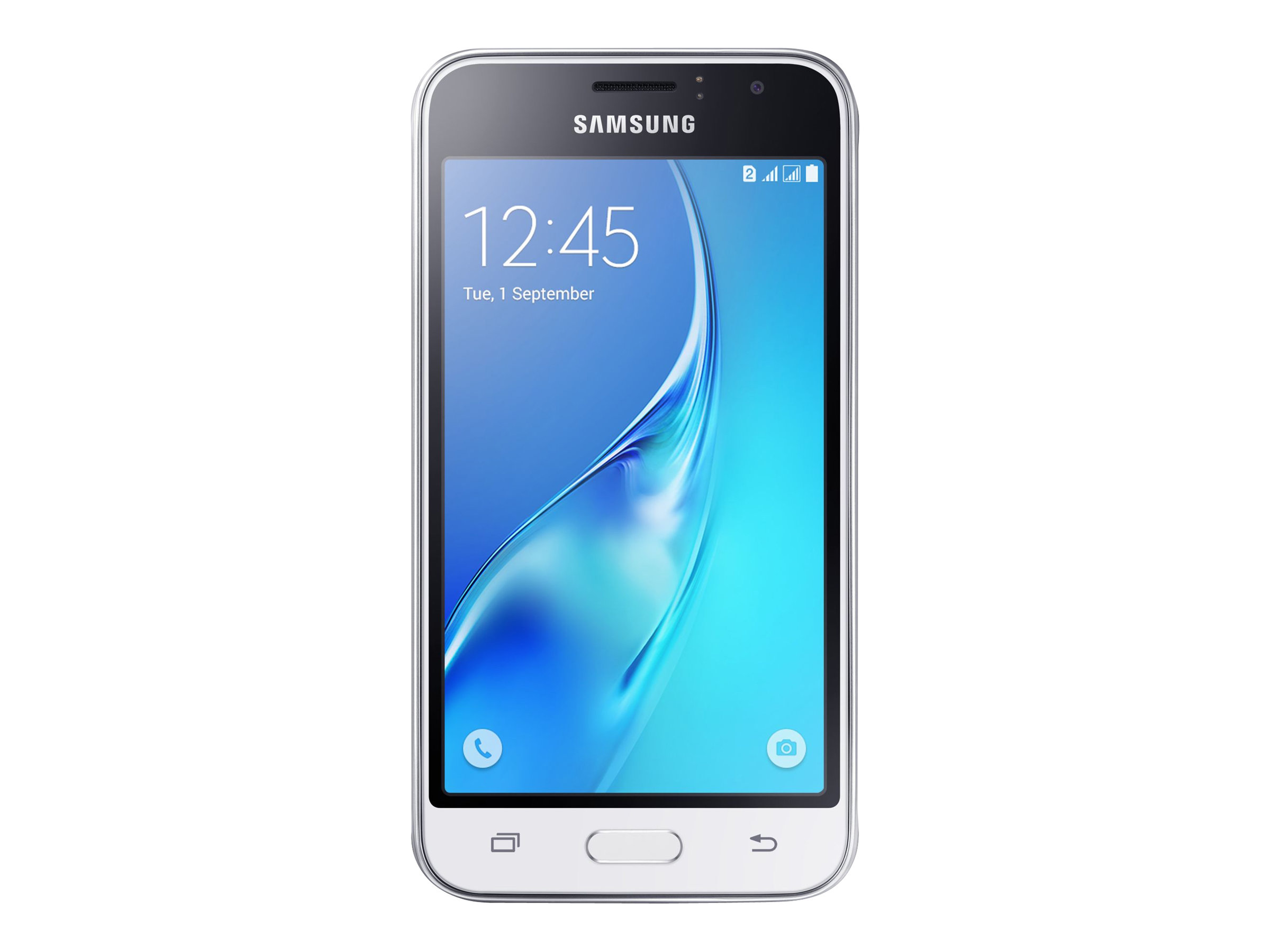
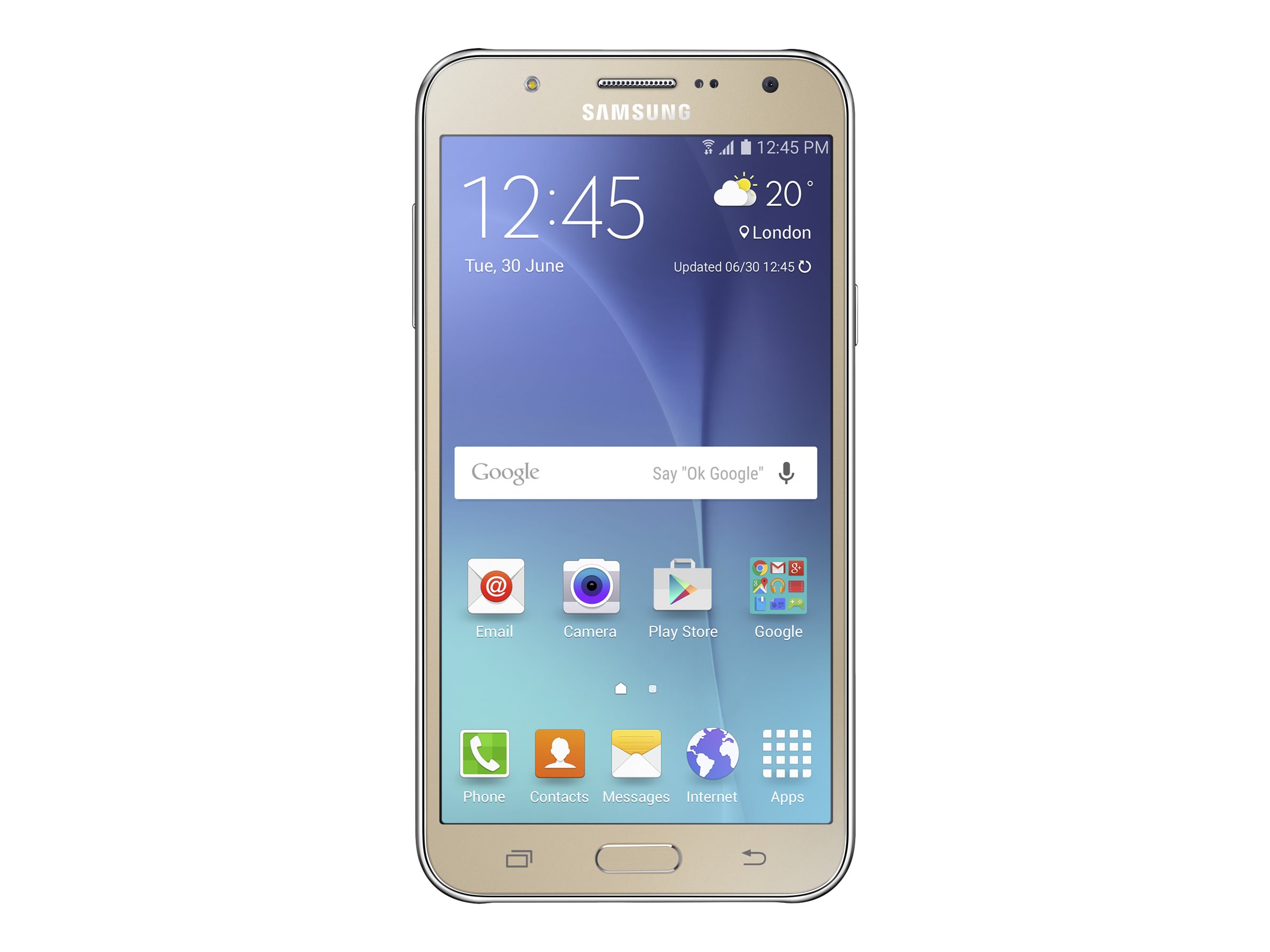
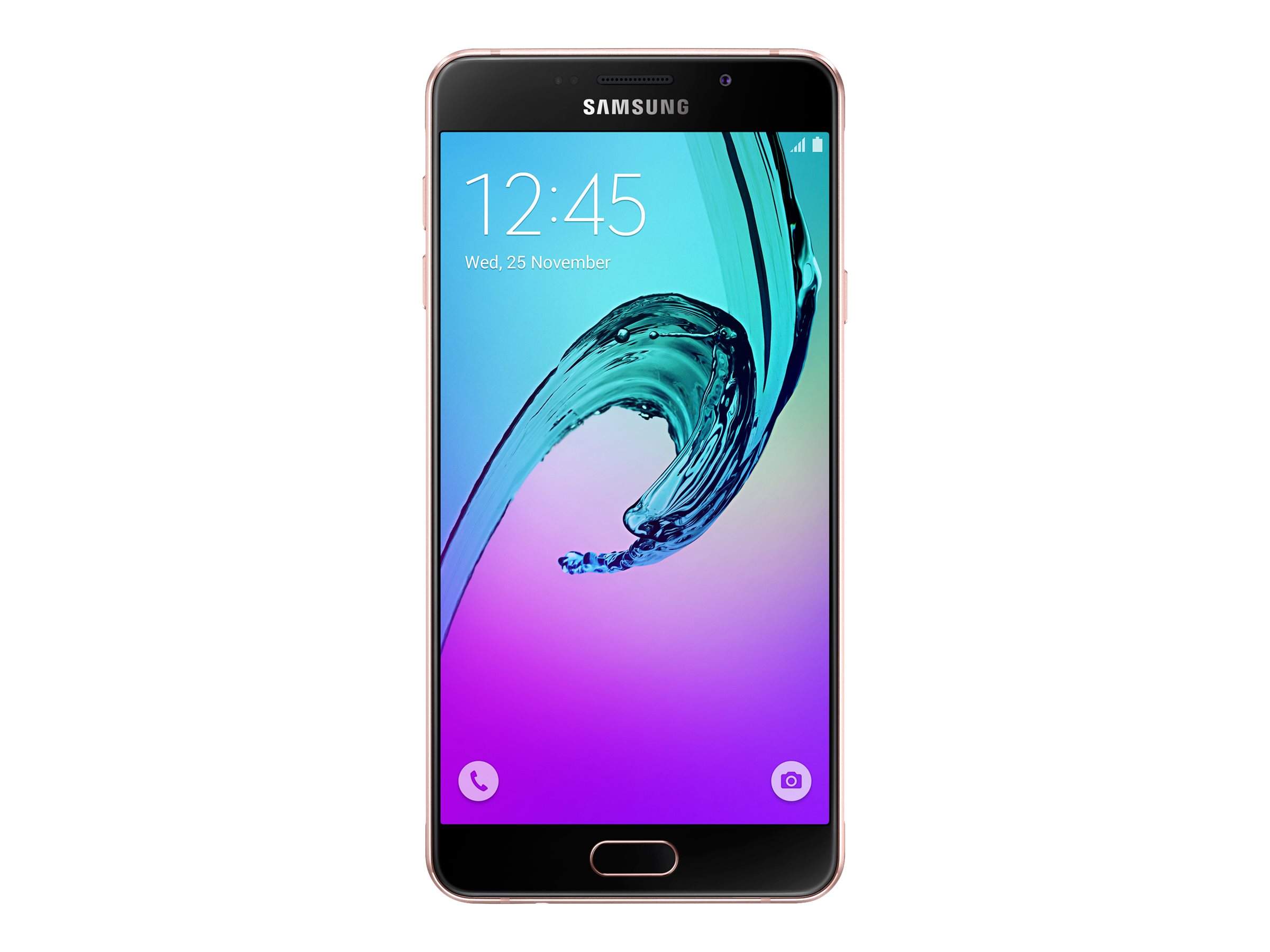
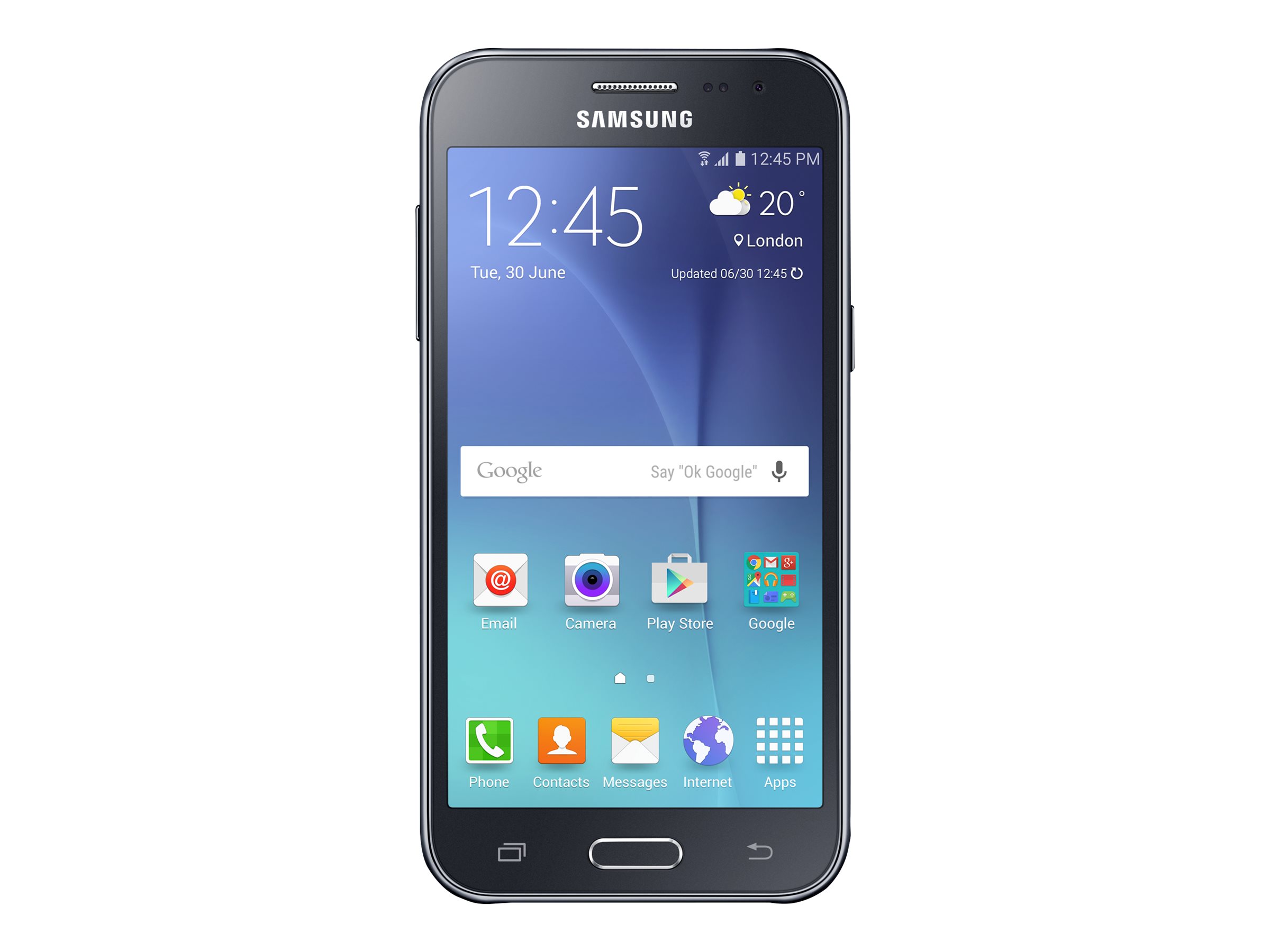
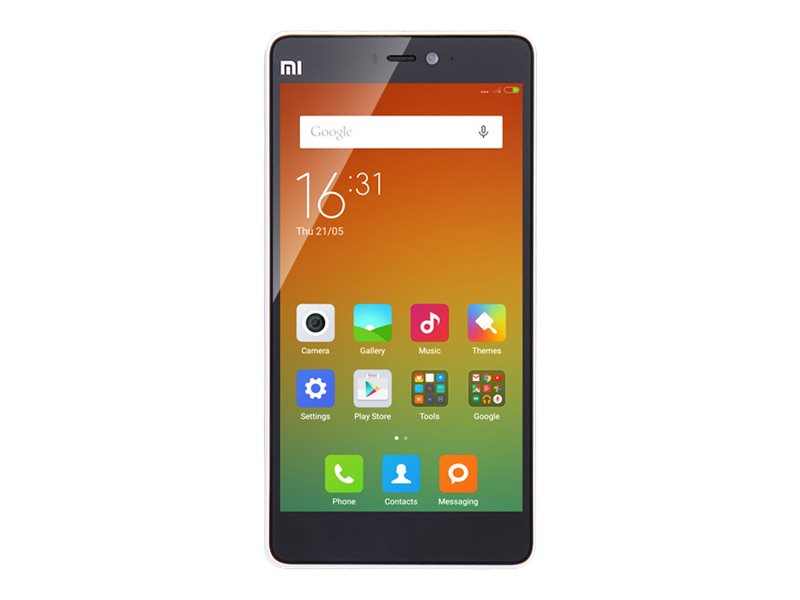
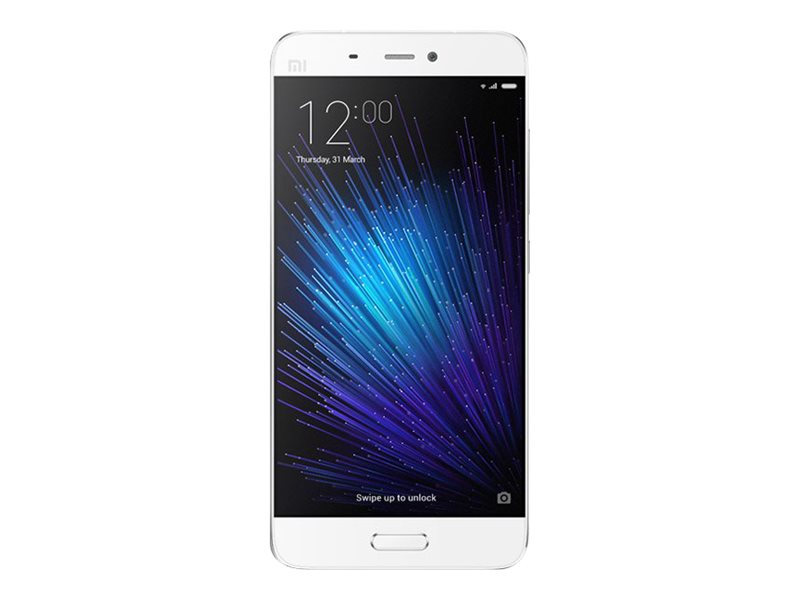
Detailed comparison and review of Samsung Galaxy A9 (2016) and Xiaomi Redmi Note 4. With our comprehensive overview, you can simply compare sizes, functions, but also other key features of both phones and easily decide which one is the right choice for you. Our goal is to help you identify the main differences between products and find the phone that best fits your needs and expectations.
| DESIGN AND DIMENSIONS | Samsung Galaxy A9 (2016) | Xiaomi Redmi Note 4 |
|---|
| Product Type | Smartphone | Smartphone | |
|---|---|---|---|
| Manufacturer Model Number | SM-A9000 | - | |
| Form Factor | Touch | Touch | |
| Height | 161.7 mm | 151 mm | Samsung Galaxy A9 (2016) has greater height than Xiaomi Redmi Note 4. |
| Width | 80.9 mm | 76 mm | Samsung Galaxy A9 (2016) has greater width than Xiaomi Redmi Note 4. |
| Depth | 7.4 mm | 8.38 mm | Samsung Galaxy A9 (2016) is narrower than Samsung Galaxy A9 (2016). |
| Weight | 200 g | 175 g | Xiaomi Redmi Note 4 is lighter than Samsung Galaxy A9 (2016). |
| Body Colour | Gold | Pink | Pearl white | Grey | Silver | Gold | |
| Body Material | Metal, Gorilla glass | Metal | |
| Waterproof (Water-resistant) | - | - | |
| SAR Value | 1.19 W/kg (head), 1.33 W/kg (body) | - | |
| Integrated Components | FM radio | - | |
| Connector Type | Headset jack - mini-phone 3.5mm Micro-USB - 5 pin Micro-USB Type B |
Micro-USB - 5 pin Micro-USB Type B Headset jack |
|
| SIM Card Type (Size) | Nano SIM | Micro SIM, nano SIM | |
| SIM Card Qty | - | Dual-SIM |
| DISPLAY | Samsung Galaxy A9 (2016) | Xiaomi Redmi Note 4 |
|---|
| Display Type | OLED display | LCD display | |
|---|---|---|---|
| Display Technology | Full HD Super AMOLED | IPS | |
| Screen Size (Display Size) | 6" | 5.5" | Samsung Galaxy A9 (2016) has larger screen size than Xiaomi Redmi Note 4. |
| Screen Resolution (Display Resolution) | 1920 x 1080 pixels | 1920 x 1080 pixels | Both phones have the same screen resolution. |
| Display Format | Full HD | Full HD | |
| Pixel Density | 367 ppi | 401 ppi | Xiaomi Redmi Note 4 has better pixel density than Samsung Galaxy A9 (2016). |
| Colour Depth | 16.7 million colours | - | |
| Contrast Ratio | - | 1000:1 | |
| Display Features | - | Night Display | |
| Display Protection (Screen Protector) | Corning Gorilla Glass 4 (scratch resistant glass) | - |
| PROCESSOR | Samsung Galaxy A9 (2016) | Xiaomi Redmi Note 4 |
|---|
| Processor Type (CPU) | Qualcomm Snapdragon 652 | MediaTek Helio X20 | |
|---|---|---|---|
| Clock Speed | 1.8 GHz | 2.1 GHz | Xiaomi Redmi Note 4 has higher clock speed than Samsung Galaxy A9 (2016). |
| Processor Core Qty | 8-core | 10-core | Xiaomi Redmi Note 4 has higher processor core quantity than Samsung Galaxy A9 (2016). |
| 64-bit Architecture | - | Yes | Xiaomi Redmi Note 4 has 64-bit architecture. |
| Graphics System (GPU) | Qualcomm ADRENO 510 | Mali T880 MP4 |
| MEMORY | Samsung Galaxy A9 (2016) | Xiaomi Redmi Note 4 |
|---|
| RAM | 3 GB | 2 GB | Samsung Galaxy A9 (2016) has more RAM than Xiaomi Redmi Note 4. |
|---|---|---|---|
| Internal Memory Size (Storage Capacity) | 32 GB | 16 GB | Samsung Galaxy A9 (2016) has more internal memory than Xiaomi Redmi Note 4. |
| Supported Flash Memory Cards (Expandable Memory) | microSDHC, microSDXC - up to 128 GB | microSDHC, microSDXC - up to 128 GB |
| CAMERA | Samsung Galaxy A9 (2016) | Xiaomi Redmi Note 4 |
|---|
| MAIN CAMERA |
|---|
| Number of Main Cameras | 1 | 1 | |
|---|---|---|---|
| Sensor Resolution | 13 Megapixel | 13 Megapixel | Both phones have the same camera resolution. |
| Lens Aperture | F/1.9 | F/2.0 | Samsung Galaxy A9 (2016) has better lens aperture than Samsung Galaxy A9 (2016). |
| Lens Construction | - | 5-element | |
| Optical Image Stabiliser (OIS) | Optical Image Stabiliser (OIS) | - | Samsung Galaxy A9 (2016) has optical stabilisation. |
| Focus Adjustment | Automatic | Automatic | |
| Minimum Focal Length (Focal Distance) | 28 mm | - | |
| HDR Mode | Auto HDR mode | Auto HDR mode | |
| Camera Modes | Panorama | Burst mode, Panorama | |
| Face Recognition (Face ID) | Face detection | Face recognition | Both phones have face detection. |
| Light Source | LED light | LED light | |
| Video Resolutions | 1920 x 1080 (1080p) | 1920 x 1080 (1080p), 1280 x 720 (720p) | |
| Camera Features (Functions) | - | Phase Detect Auto-Focus (PDAF) |
| FRONT CAMERA |
|---|
| Number of Front Cameras | 1 | 1 | |
|---|---|---|---|
| Sensor Resolution (Front) | 8 Megapixel | 5 Megapixel | Samsung Galaxy A9 (2016) has better front camera resolution than Xiaomi Redmi Note 4. |
| Lens Type (Front) | - | Wide-angle lens | |
| Lens Aperture (Front) | F/1.9 | F/2.0 | Samsung Galaxy A9 (2016) has better front lens aperture than Samsung Galaxy A9 (2016). |
| Special Effects (Front) | - | Real-time face beautification | |
| Face Recognition (Face ID) | - | Face recognition | Xiaomi Redmi Note 4 has face detection. |
| Video Resolutions (Front) | 1920 x 1080 (1080p) | - |
| BATTERY AND CHARGING | Samsung Galaxy A9 (2016) | Xiaomi Redmi Note 4 |
|---|
| Battery Capacity (Battery Size) | 4000 mAh | 4100 mAh | Xiaomi Redmi Note 4 has larger battery capacity than Samsung Galaxy A9 (2016). |
|---|---|---|---|
| Battery Technology | Lithium Ion | - |
| CELLULAR | Samsung Galaxy A9 (2016) | Xiaomi Redmi Note 4 |
|---|
| Technology | WCDMA (UMTS) / GSM | CDMA2000 1X / GSM / WCDMA (UMTS) / TD-SCDMA | |
|---|---|---|---|
| Mobile Broadband Generation | 4G | 4G | Both phones have the same mobile network generation. |
| Operating System | Android 5.1.1 (Lollipop) | Android 6.0 (Marshmallow) | |
| User Interface | - | MIUI 8 | |
| Navigation | GPS, A-GPS, GLONASS, BeiDou | GPS, A-GPS, GLONASS, BeiDou |
| COMMUNICATIONS | Samsung Galaxy A9 (2016) | Xiaomi Redmi Note 4 |
|---|
| Data Transmission | GPRS, EDGE, HSDPA, HSUPA, HSPA+, LTE | GPRS, EDGE, EV-DO, HSDPA, HSUPA, HSPA+, LTE | |
|---|---|---|---|
| 2G Band | 850 GSM, 900 GSM, 1800 GSM, 1900 GSM | 850 GSM, 900 GSM, 1800 GSM, 1900 GSM, 800 CDMA2000 1X, 1900 CDMA2000 1X | |
| 4G LTE Band | - | Band 1, Band 3, Band 5, Band 7, Band 8, Band 38, Band 39, Band 40, Band 41 | |
| 4G LTE Frequency | - | FDD 2100, FDD 1800+, FDD 850, FDD 2600, FDD 900, TDD 2600, TDD 1900, TDD 2300, TDD 2500 | |
| Wireless Interface | IEEE 802.11a/b/g/n, ANT+/ANT | IEEE 802.11a/b/g/n/ac | |
| Bluetooth | Bluetooth 4.1 | Bluetooth 4.2 | |
| Bluetooth Profiles | A2DP | HID | |
| NFC | Yes | - | Samsung Galaxy A9 (2016) has NFC reader for mobile payments. |
| Messaging Services | SMS, MMS | SMS, MMS |
| MEDIA | Samsung Galaxy A9 (2016) | Xiaomi Redmi Note 4 |
|---|
| Supported Digital Audio Standards | WAV, WMA, MP3, FLAC, eAAC+ | WAV, AAC, PCM, AMR, MP3, FLAC, AAC +, eAAC+, APE (Monkey's Audio), DSD | |
|---|---|---|---|
| Supported Digital Video Standards | MPEG-4, WMV, H.264 | MKV, VC-1, XviD, MPEG-4, H.264, M4V, H.265 |
| FEATURES | Samsung Galaxy A9 (2016) | Xiaomi Redmi Note 4 |
|---|
| Phone Functions | Speakerphone, call timer, conference call, flight mode, vibrating alert | Speakerphone, call timer, conference call, flight mode, vibrating alert | |
|---|---|---|---|
| Sensors | Accelerometer, proximity sensor, digital compass, gyro sensor | Accelerometer, ambient light sensor, proximity sensor, gyro sensor, hall sensor | |
| Security Devices | Fingerprint reader | Fingerprint reader | |
| Additional Phone Features | Radio Data Service (RDS), guaranteed upgrade to Android 6.0 (Marshmallow) | Infrared remote control |
| OTHERS | Samsung Galaxy A9 (2016) | Xiaomi Redmi Note 4 |
|---|
| Included Accessories | Power adapter | Power adapter |
|---|

 cs
cs
 sk
sk
 de
de
 it
it
 es
es
 fr
fr
 hu
hu
 pt
pt
 ru
ru
 pl
pl
 br
br
 ro
ro